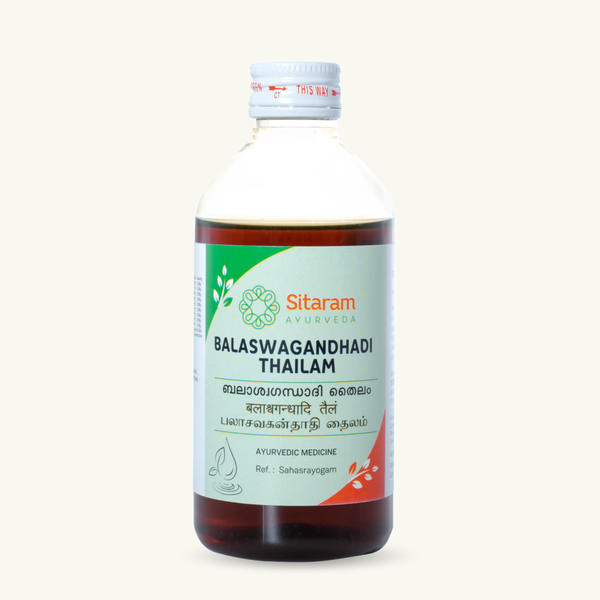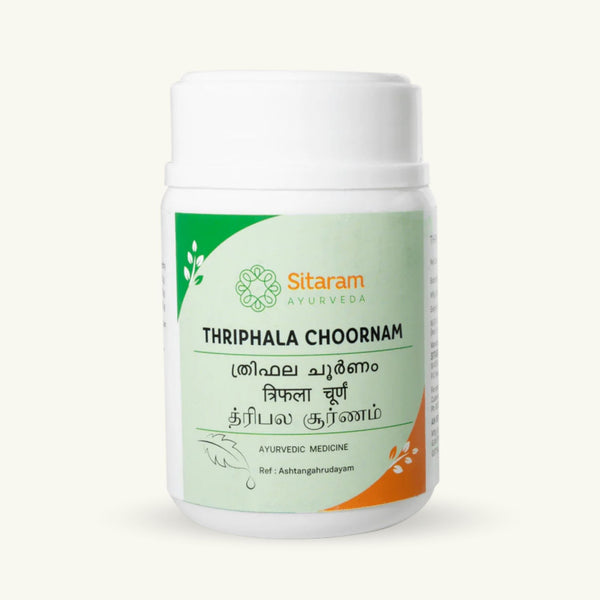
For many readers in Europe, an Ayurvedic ingredient list can look like an unfamiliar script. Sanskrit names, Latin botanical terms and everyday plant names often sit side by side. Learning to read them turns a moment of hesitation into quiet confidence, and lets you understand exactly what you are holding.
Three ways of naming one plant
Most classical labels use three layers of naming for the same botanical:
- The Sanskrit or traditional name, the classical term used in the old texts, such as Haritaki or Ashwagandha.
- The Latin botanical name, the internationally recognised scientific term.
- The local or everyday name, how the plant is known in common speech.
Seeing these as three views of a single plant helps you read each line as a translation rather than a puzzle. When you compare several products from established makers, you will notice a steady pattern: the same Sanskrit name is paired with the same Latin name each time. That consistency is itself a sign of careful identification.
Words that describe a preparation
Some entries name not a plant but a preparation. A short vocabulary helps here. Ghritham (a clarified-butter preparation) points to a ghee base. Thailam (a herbal oil) indicates oil processed with herbs. Churnam (a fine powder) means a milled blend, and Kashayam (a water decoction) describes a preparation drawn out in water. Recognising these terms tells you at a glance what form a product takes.
Reading a label with your own preferences in mind
If you follow a particular way of eating, whether vegetarian, vegan, lactose-free or gluten-free, the ingredient list is your best companion. Many everyday questions, such as whether a preparation contains ghee or honey, are answered simply once you know a handful of key Sanskrit and Ayurvedic words.
Frequently asked questions
Why are Latin names printed alongside Sanskrit?
The Latin botanical name is a shared international reference. Printed next to the Sanskrit name, it lets anyone confirm precisely which plant is meant, wherever they are.
Do I need to memorise every term?
Not at all. Once you recognise ten or fifteen of the most frequent names and a few preparation words, the wider world of Ayurvedic labels reads far more easily, and becomes genuinely interesting.
Where can I check a term I do not know?
A short ingredient glossary, offered by many considered Ayurvedic makers including Sitaram Ayurveda, explains common herbs in plain language and is a reliable place to begin.